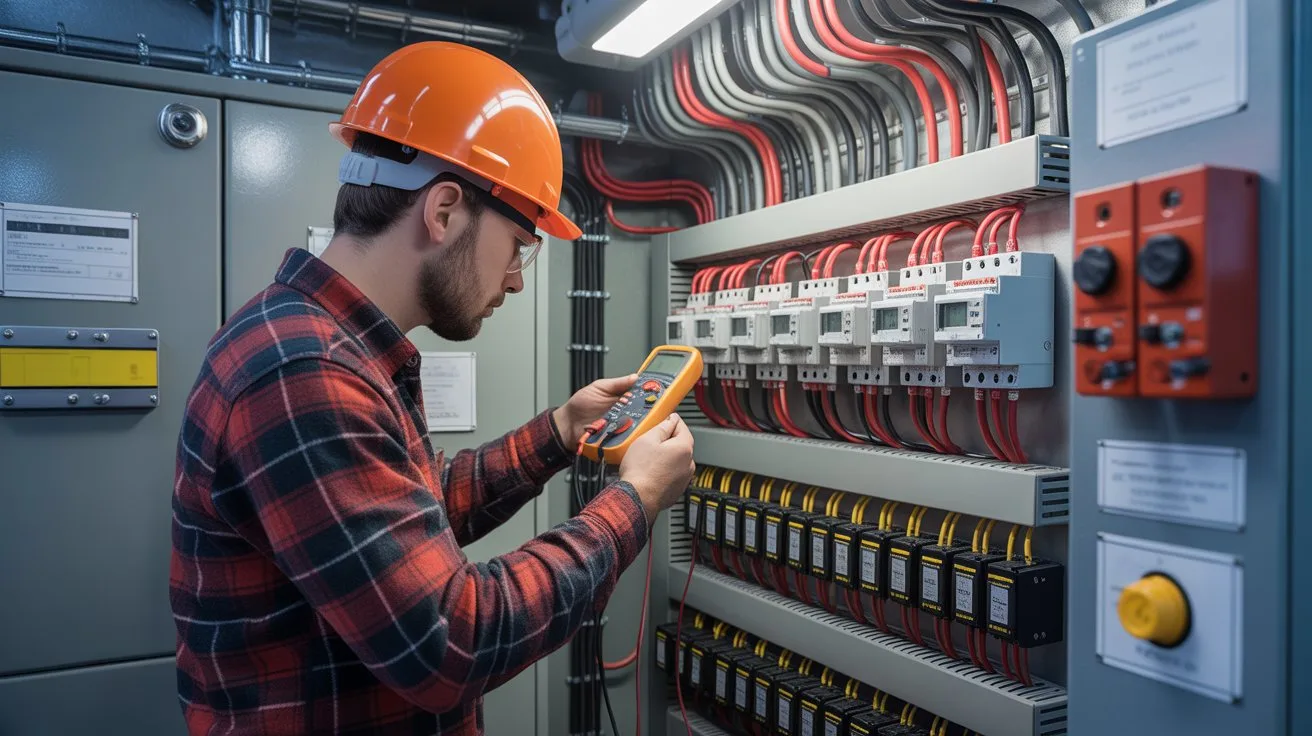
Difference Between Industrial-Grade and Commercial Electrical Materials
When planning a construction or infrastructure project, people often overlook electrical materials. However, these materials are important for safety, efficiency, and long-term performance. One common source of confusion is the difference between industrial-grade and commercial electrical materials. Although they may appear similar, they serve very different purposes. Knowing these differences early can help prevent expensive changes down the line.
With large projects and rapid urban growth, contractors and developers rely on trusted building material suppliers in Dubai to find the right products for each use. Recognizing these differences helps prevent costly mistakes, safety risks, and early system failures.
Understanding Industrial-Grade Electrical Materials
Industrial-grade electrical materials designed for industries are meant for tough and demanding environments. They operate continuously under high loads. They are used in factories, power utility companies, oil and gas plants, warehouses, and other industrial sites. Industrial systems often run around the clock, so durability is essential.
What Makes Them Industrial Grade?
The general conception behind making them industrial-grade is the ultimate reliability of the systems under conditions of relatively severe heat, moisture, vibration, dust, and corrosive agents. The main characteristics are as follows:
- High load and voltage capacity
- Thick insulation and reinforced enclosures
- Resistance against mechanical stress and environmental damage
- Compliance with strict industrial standards of safety
In addition to being stronger, they are designed as more efficient over longer operational cycles, cutting down maintenance and operation costs. This reduces long-term downtime and supports continuous productivity.
What Are Commercial Electrical Materials?
Commercial electrical materials support the daily operations of businesses in commercial settings, such as offices, shopping centers, hotels, hospitals, and schools. The electrical needs of these spaces are predictable, and their indoor conditions are usually well managed. Commercial systems focus on convenience and quick installation.
Why are Commercial Materials Different?
Commercial systems are quite different from the installations found in industries. Commercial systems prioritize efficiency, appearance, and cost control. The materials are designed with load handling capabilities that meet standard requirements and do not need extreme reinforcement.
Typical characteristics include:
- Moderate voltage and current ratings
- Compact and appealing designs
- Easier installation and replacement
- Compliance with commercial building codes
These materials work well for lighting setups, HVAC systems, power outlets, and overall building operations. They are ideal for modern business spaces.
Difference in Load Capacity and Performance
One of the main differences between industrial and commercial electrical materials is their ability to handle loads.
Industrial Use
Heavy-duty motors, machinery, and automated systems are common in industrial settings. These consume a lot of power. Electric materials in these environments must:
- Handle increased and sudden loads
- Perform continuously
- Resist overheating and electrical stress
Reliability is extremely important because failure leads to significant production losses in an industrial environment. Failure can lead to major production delays.
Commercial Applications
Typically, commercial buildings experience stable and predictable power demands over time. Electrical materials are designed to:
- Support lighting, office equipment, and climate control
- Operate under normal temperature ranges most of the time
- Meet safety standards without needing excessive reinforcement
While setting up an industrial-grade electrical system in a commercial building would cost more, it often would not provide much practical benefit.
Design, Durability and Build Quality
Stronger and tougher electrical components are industrial-grade. They come in metal housings and sealed enclosures, and they have a high protection rating against dust and moisture. Commercial electrical materials focus on a clean design and ease of use. Their housing is lighter. Although they are safe and reliable, they are not built to handle harsh physical conditions. It's this difference in construction quality that has led to finals being drawn between selecting the wrong grade and hence wearing the system too early, or leading to an explosive system failure. Choosing the right grade prevents unnecessary repairs.
Safety and Compliance Standards
Both industrial-grade and commercial electrical materials must meet safety regulations, but the standards they follow are quite different. Industrial materials usually meet strict international certifications. These certifications ensure that they can withstand hazardous situations, resist fire, and handle explosions. They mainly focus on features like redundancy and fail-safe mechanisms. In contrast, commercial materials follow building codes that prioritize occupant safety, energy efficiency, and fire prevention. These codes are strict, but they are not as tough as industrial standards.
Cost Considerations and Long-Term Value
While industrial-grade electrical materials often cost more at first, their real value becomes apparent over time. These materials last longer and support continuous operation in demanding environments. Commercial electrical materials cost less for average homes and buildings. They perform well enough for regular use, but they may wear out faster in industrial settings. It is essential to balance the initial cost with long-term performance when making the right choice.
Installation and Maintenance
You need skilled technicians for the installation of an industrial electrical system. They should have experience with complex techniques. Maintenance is usually scheduled and preventive to keep downtime low. In contrast, commercial systems are easy to install and maintain. This simplicity makes them suitable for the quick changes in time and budget during construction.
Choosing the Right Materials for Your Project
Picking the right electrical materials is not an easy decision. It involves more than just choosing the strongest option. Tough environments require industrial-grade materials, while commercial-grade materials are often what most businesses and public spaces need. This distinction should be emphasized when searching for electrical materials suppliers in Dubai, where industrial and commercial projects run alongside each other in the region.
The Importance of Selecting the Right Electrical Grade
Recognizing the difference between industrial-grade and commercial electrical materials helps ensure safety, performance, and cost efficiency throughout a building's life. Choosing the right materials reduces maintenance problems, improves reliability, and ensures compliance with regulations.
At Service First, we focus on offering quality building materials for industrial and commercial projects. As a trusted supplier in Dubai, we invite you to check out our wide range of products. You’ll find dependable solutions that are made for long-lasting performance and value, backed by expert support and guidance.
contact us to know more about our products and details